The global fashion industry is one of the most creative and economically influential sectors in the world. It also has a high impact on the environmental footprint. The industry generates over 92 million tons of textile waste every year contributing roughly 8 to 10 percent of global carbon emissions, according to the United Nations Environment Programme.(1)
Though the amount of waste is alarming, the industry is actively taking measures to curb the environmental impact. The push is coming not only from regulators but also the consumers. The consumers are demanding greater transparency into the production of the product while the regulatory bodies are setting tighter processes to waste accountability from fashion brands. Sustainability reporting requirements are expanding, increasingly becoming mandatory in many countries with the European Union taking the lead. The transparency claims now extend far beyond marketing strategies and need to be substantiated with verifiable information and best practice credible certificates and licenses.
As a result, fashion with a conscience or sustainable fashion is no longer just a consumer trend. It has become a business priority for fashion brands, apparel and shoe retailers and manufacturers, supply chain leaders, and compliance teams. Brands must now balance creativity with environmental responsibility, ensuring their operations align with environmental regulations and ethical standards.
Since the new regulations cover the entire lifecycle of the product – from raw material sourcing to end of life management disposal, there is a need to follow and capture the best practices at every step. Though the onus remains with the buyer to ensure sustainable products and provide data on environmental impact, the accountability has shifted to every link in the supply chain. This shift requires every supplier – from the ginner to the packaging company to establish stronger compliance management processes including adoption of advanced compliance management software that help track sustainability commitments. The outcome forecast is a deeper supply chain transparency.
What Fashion with a Conscience Means for the Modern Industry
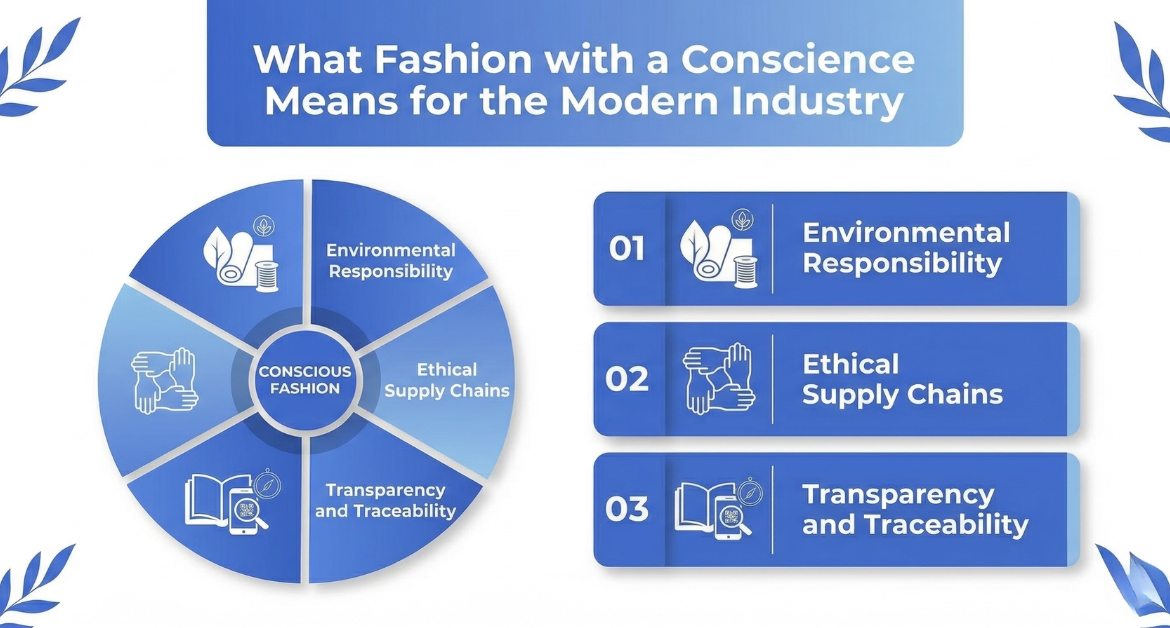
Fashion with a conscience refers to an approach where environmental responsibility, ethical labor practices, and transparency guide every stage of the fashion value chain.
In the past, sustainability was often driven as a branding or a marketing initiative. Today it is much more serious, becoming essential for business continuity leading to a structural transformation of how the fashion industry operates globally.
Three primary principles are leading and defining this shift.
Environmental Responsibility
Apparel and shoe manufacturing not only consumes large amounts of water, energy, and chemicals, it also produces large amounts of waste and landfill. A holistic approach with conscious sourcing, manufacturing and disposal practices focus on reducing waste generation and carbon footprint.
Ethical Supply Chains
Responsible brands are prioritizing fair trade including fair wages, safe and healthy working conditions, and ethical sourcing practices across all tiers of their supply chains.
Transparency and Traceability
Consumers and Stakeholders increasingly expect brands to not only share information about where the materials come from and how products are manufactured but also prove ethical sourcing and production claims. Fashion brands are recognising that transparent supply chains while supporting regulatory compliance also help build consumer trust.
The Environmental Cost of Fast Fashion
The world saw with the rise of fast fashion a dramatically accelerated apparel production and consumption. While this model has made clothing more accessible to the consumer, it has also intensified pressure on the environment and earth.
Fast fashion encouraged short product life cycles, increased season trend based buying and quick disposal, leading to unprecedented and unmanageable volumes of textile waste. Synthetic fibers such as polyester have an increased environmental impact. Washing synthetic garments releases around 500,000 tons of microplastic fibers into the oceans annually, contributing significantly to global microplastic pollution.(2)
Global mobility of the product and exhaustive supply chains add another complex layer of carbon footprint. A single garment may pass through multiple geographical borders before reaching consumers. The logistics and transportation involved contribute heavily to carbon emissions and environmental pressures. Since the raw material may be sourced from one country, manufactured in another and targeted for consumers of another country – it creates a complex regulatory web involving the buyers, manufacturers & suppliers and logistics providers.
The fashion industry requires proper traceability systems to enforce sustainability standards across the multi-tier supplier network as governments and regulatory authorities continue to introduce stricter policies around sustainability reporting.
The Growing Role of Fashion Compliance
Sustainability is rightfully becoming increasingly linked to regulatory compliance. Governments are introducing policies that require companies to set active zero carbon footprint goals and disclose measures implemented to reduce waste environmental impact, improve supply chain transparency, and reduce waste.
One example is the Corporate Sustainability Reporting Directive (CSRD) in the European Union, which significantly expands sustainability reporting requirements. The regulation is expected to apply to around 50,000 companies operating in the EU out of the roughly 11,700 companies that previously fell under the Non-Financial Reporting Directive.(3)
Transparency initiatives are shifting from being ‘good to have’ business practice to a regulatory and trade requirement. Digital product passports (DPP), which store information about a garment’s origin, materials, and environmental footprint, are playing a major role. Under DPP the brands are expected to disclose the products’ ‘end of life’ including repurposing and recycling information taking transparency to the next level. For brands and compliance teams, these requirements mean that every sustainability claim must be backed by verifiable data. Effective fashion compliance management ensures that brands can track supplier certifications, maintain documentation, that can substantiate any provided product information during audits.
Greenwashing and the Need for Verifiable Claims
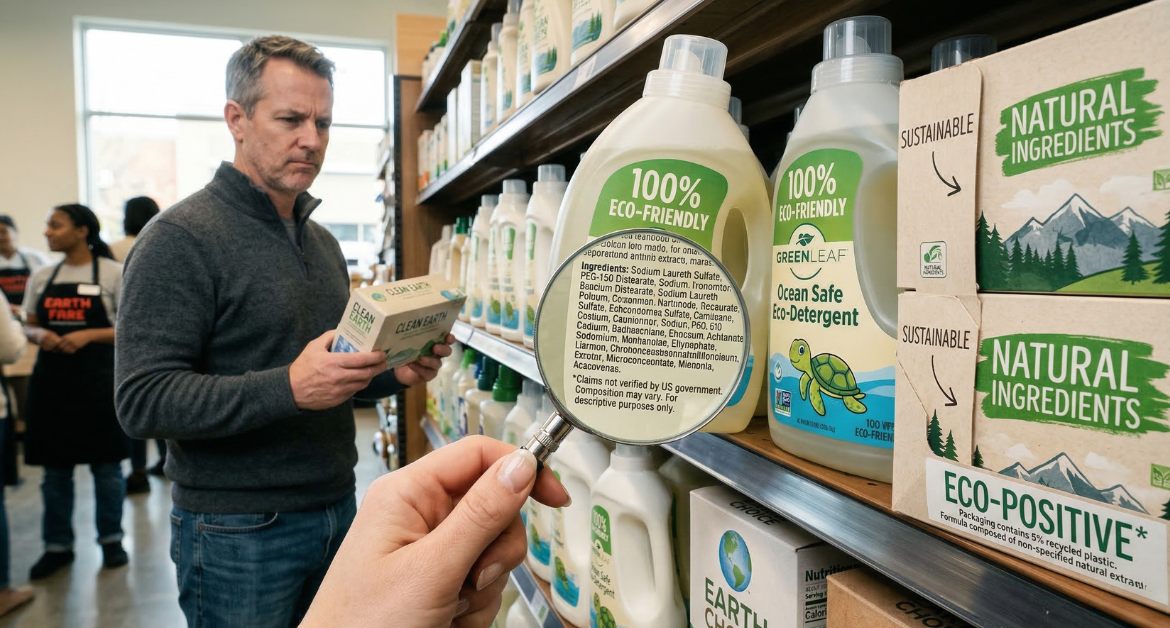
As brands begin to recognise sustainability can be a competitive differentiator and buy consumer attention, more and more information is being shared by them. However, the Brands are failing to substantiate these disclosures and misleading environmental claims are becoming widespread.
Trending terms such as “eco friendly,” “green,” or “conscious” attract consumer interest but seen as vague by the regulatory authorities. These claims can scrutiny and if they are not adequately supported by evidence, can lead to legal issues, fines, impact reputation and business damage. Organizations like the Federal Trade Commission (FTC) have strengthened guidelines through the Green Guides to prevent deceptive environmental marketing and ensure that sustainability claims are genuine, clear, specific, and backed by reliable evidence.
A European Commission screening of environmental marketing claims found that 53% of sustainability claims provided vague, misleading, or unfounded information, and 40% of the claims had no supporting evidence.(4)
For fashion brands, transparency with proper documentation is the best defense against greenwashing risks. Systematic gathering of documentation at every stage of the product lifecycle including details of materials, production methods, and supply chain practices helps ensure that sustainability claims remain credible and compliant.
This is where technology can provide the much needed support to the Brands, implementing a digital compliance tool becomes valuable. Selecting a strong Compliance Management System that allows companies to organize supplier certifications, track sustainability metrics, and maintain consistent documentation across operations and locations, can be critical during scrutinies and audits..
Circular Fashion: A Sustainable Path Forward
Circular Fashion is one of the most promising solutions to manage fashion’s environmental impact..
Traditional fashion operates on a linear model. Raw materials are extracted, products are manufactured, and garments are eventually discarded. Circular fashion replaces this system with strategies that extend product life cycles and keep materials in use for as long as possible by repurposing and recycling them..
Circular Fashion has several practical and positive outcomes.
A conscious shift is taking place simultaneously at the Consumers level in their buying choices as well as at the Brands’ operational levels. Shopping motivation for the consumer is not to buy more or to be aligned with transient seasonal fashion trends but to look for responsibly produced goods. They are willing to pay more and now they take pride in buying ethically sourced and produced repurposable goods. At the brand level, deliberate designing of the product – garments that are durable and using environment friendly raw materials and can be recycled is taking place.
All this encourages longer product lifetimes as well as minimizes environmental impact. Repair programs allow customers to maintain clothing instead of discarding it. Recycling initiatives recover fibers from old garments and convert them into new materials. Repurposing ensures the product life is extended.
Responsible production planning with Limited production runs and a more detailed demand forecasting help brands avoid overproduction, one of the largest drivers of textile waste. The upcoming laws that prohibit destruction of new unsold garments is a positive step and contributive towards responsible production for Brands.
Practical Steps Fashion Brands Can Take to Reduce Waste
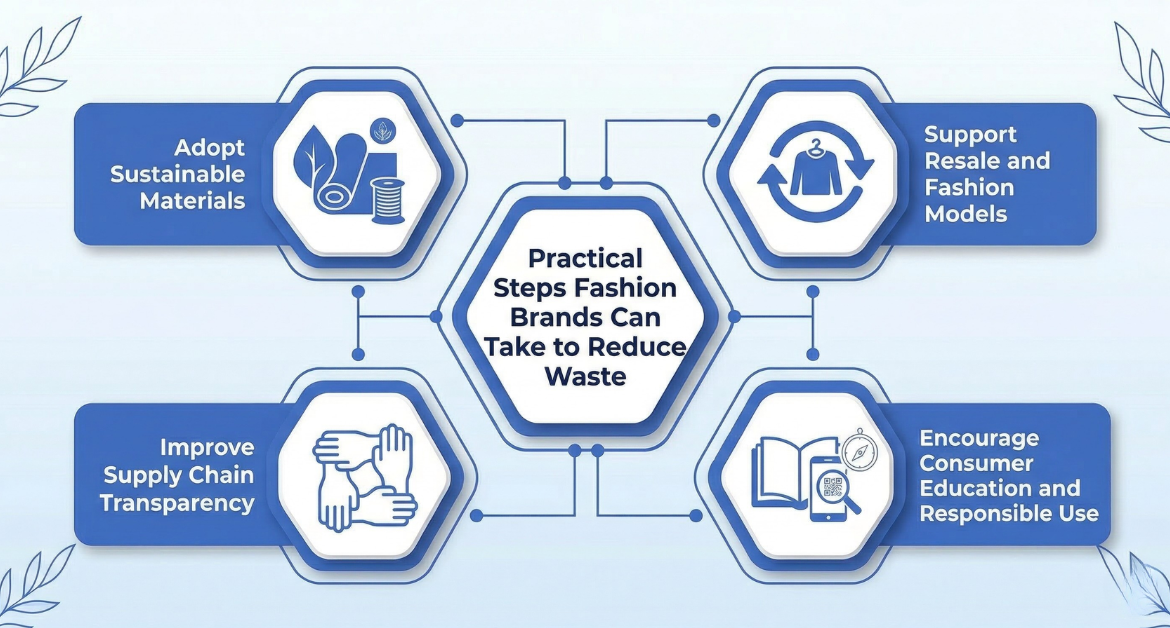
Reducing waste requires a combination of design innovation, supply chain management, and consumer engagement. Fashion brands can take several practical steps to reduce their environmental impact while strengthening sustainable operations.
1. Adopt Sustainable Materials
Many brands are shifting toward sustainable materials such as organic cotton, recycled polyester, and alternative fibers derived from agricultural byproducts. The adoption of recycled materials is growing, with recycled polyester accounting for around 14.8% percent of global polyester production, helping reduce reliance on virgin fossil-fuel based fibers.(5)
2. Improve Supply Chain Transparency
Supply chain transparency is a critical step toward responsible sourcing. Mapping suppliers beyond the first tier allows companies to identify environmental risks, monitor labor practices, and verify sustainability standards. Research indicates that fewer than 50 percent of fashion brands currently disclose their full supply chain, highlighting the need for stronger traceability systems.
3. Support Resale and Circular Fashion Models
Brands are increasingly supporting resale, repair, and thrifting ecosystems to extend the life of garments. These circular models reduce the demand for new production and helps extend life of products and reduces demand and production. The global secondhand apparel market is projected to reach approximately $367 billion by 2029, growing significantly faster than the traditional apparel consumer market.(6)
4. Encourage Consumer Product Care, Repair and Repurposing Education
Educational initiatives also play an important role. Teaching customers how to care for garments properly, repair minor damage, and build versatile wardrobes can extend product lifecycles and reduce clothing waste over time.
The Importance of Supply Chain Traceability in Responsible Fashion
Traceability has become a cornerstone of sustainable fashion operations. Brands must map where materials originate, how garments are manufactured, and whether suppliers meet ethical and environmental standards.
Achieving this visibility is often challenging. Modern fashion supply chains involve multiple vendors, factories, and logistics partners across different countries, making it difficult to track materials and verify compliance without the right systems in place.
Digital technology is helping address these challenges. Advanced platforms can track supplier certifications, monitor sustainability metrics, and store documentation required for regulatory reporting.
By adopting digital transformation and actively integrating technology in day to day operations fashion companies can centralize regulatory requirements, manage supplier data, and strengthen supply chain transparency. Without an efficient and effective compliance management software Brands will struggle to manage the growing regulatory requirements in apparel retail. Retail and Fashion Compliance Softwares such as Compliance Cart help brands simplify and streamline compliance processes by automating a significant piece of compliance needs. For instance, Compliance Cart, not only auto collects compliance documentation but also auto organizes it for audit checks and inspections. It helps monitor supplier standards across multi-tiers of the supply chain, and maintain traceable records across global operations.
For organizations pursuing sustainability goals, tools like Compliance Cart turn compliance into a proactive strategy giving a business advantage. It transforms compliance function from being a regulatory burden and a cost center to a profit enabler. It empowers all business areas including designing, sourcing, production, logistics and legal/finance departments by enabling better oversight, improved reporting, and greater transparency throughout the business operations..
Conclusion: Responsible Fashion Requires Transparency and Compliance
Fashion with a conscience is reshaping the future of the global fashion industry. Environmental pressures, consumer expectations, and evolving regulatory frameworks are pushing brands to rethink how clothing is designed, produced, and distributed.
The companies that succeed will be those that integrate sustainability directly into their operations. Reducing textile waste, adopting circular production models, and improving supply chain transparency are now essential business strategies rather than optional initiatives.
At the same time, regulatory complexity is increasing. Effective fashion compliance management, supported by reliable compliance management software, helps organizations navigate these challenges while maintaining operational efficiency. Solutions such as Compliance Cart support this process by helping brands manage regulatory requirements and supply chain compliance more effectively.
By combining responsible sourcing, transparent supply chains, and strong compliance systems, fashion brands can build more resilient and sustainable business models that benefit both the industry and the planet.
Build a more transparent and responsible fashion supply chain with Compliance Cart. Simplify compliance, improve visibility, and support your sustainability goals.
FAQs
1. What is fashion with a conscience?
Fashion with a conscience refers to clothing production and consumption practices that prioritize sustainability, ethical labor standards, and environmental responsibility.
2. Why is compliance becoming important in the fashion industry?
Keeping with the urgent need for sustainability measures, Governments are introducing new regulations related to sustainability reporting, supply chain transparency, and waste reduction, requiring brands to implement stronger compliance systems to minimize environmental impact.
3. What is a Digital Product Passport in fashion?
A Digital Product Passport is a digital record containing information about a garment’s materials, origin, and environmental impact, enabling better transparency across the product lifecycle all the way to discarding the product at the end of product life.
4. How can fashion brands reduce textile waste?
Brands can reduce textile waste by adopting circular fashion models, designing durable garments, supporting repair programs, and encouraging resale or recycling initiatives.
5. How does compliance management software help fashion companies?
Compliance management software helps fashion companies track regulatory requirements, monitor supplier certifications, maintain documentation, and improve transparency across global supply chains.